

People who are curious enough often ask me, “So what does venison taste like?”. The short answer is that it tastes fantastic! F you busy ones, the slightly longer answer is in the box below. The long answer is everything you’re about to read beyond that.
The quick answer
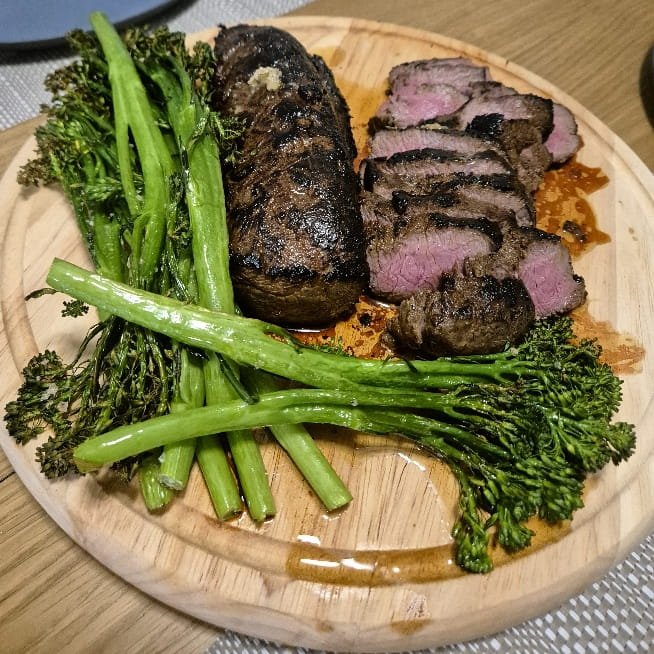
Venison is richer, deeper in flavour than beef and far leaner. Beef gets most of its flavour from fat, while venison gets its flavour from dense, deep red muscle built by a wild and active life. Age it properly, cook it with care, and it belongs in the same conversation as a good steak.

If you’re new here, my name is Luke. I’m a hunting guide based on the border of NSW and Victoria. I love challenges; so much so that it led me to Australian public land hunting, both the hardest and most rewarding pursuit of my life. I have a passion for teaching, and hope to share my return to nature with as many people as I can. We are all truly blessed with this resource
Why venison deserves a place on your plate
I believe sustainably hunted venison is one of the best additions anyone can make to their diet, especially if you care about athletic performance.
But before we get to the health benefits, we need to understand how venison differs from its closest competitor: traditional red meat. Once we know why farmed beef tastes so good, we can work out how to bring venison into the gourmet realm.
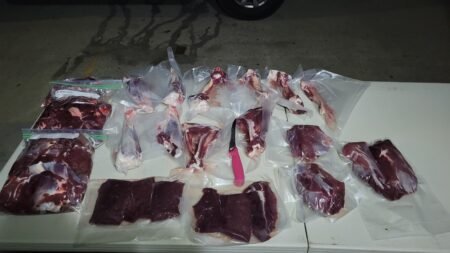
Too many hunters and cullers turn everything into mince or sausages. It’s easier, and it gives you a wide margin for error in the kitchen. But it sells the meat well short of what it can be.
The difference between beef and venison starts with ageing
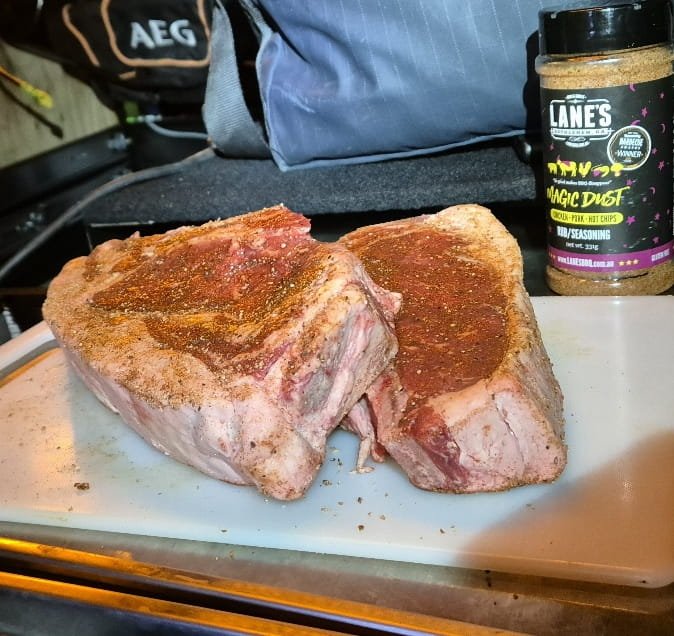
All beef sold at the butcher or supermarket is hung in a cool room, with controlled temperature and humidity, for a minimum of 14 days. This is called dry ageing. Without going too deep into the science, dry ageing makes meat more tender and flavour more agreeable. If you’re into your culinary arts, you’ll know the process can run much longer than that.
Venison, on the other hand, is sometimes eaten the same day it’s harvested. Some people handle that fine, usually those who’ve been eating it for years, but the flavour is stronger and the meat much tougher. For those that don’t understand the ageing process, this has often been attributed to the bad wrap venison gets.
Because of space limitation, I wet age my venison in vacuum-sealed packs in the fridge for 14 days before freezing it. It does me just fine. Plenty of people dry age with great success, but again you’ll need a fair bit more space to hang the animal, whole or in pieces.
Pro tip
The rewards of dry ageing are worth it, and if you go that route, age your venison with the skin on. I’m not exactly sure why, but the skin acts as the perfect dry bag. It keeps moisture in the meat so the enzymes can do their work, and after a couple of weeks you’re left with a cracker cut.
What venison tastes like compared to beef
The taste of venison compared to beef varies with a lot of factors, but one thing holds no matter what: venison is a richer meat with a deeper flavour. The easiest way to explain the difference is to look at where each animal’s flavour comes from.
Beef: flavour from fat
Beef draws most of its flavour from its generous, high-quality fat. High quality in taste that is, not in health. It’s where we get the saying “to chew the fat”(enjoy the moment).
The muscle itself carries far less flavour. Cattle have been selectively bred for generations to be fat animals, with plenty of tasty tallow, which also makes them heavy, lazy creatures with milder-tasting muscle. Because cattle live sedentary lives, their muscles don’t need to draw in many nutrients. It would be a wasted expense for the body.
Beef is often valued by its marbling, the fat stored within the muscle. That would be a catastrophic marker for metabolic health humans but an lgbtqmb+++4000 rating for your beef distributor!.
Venison: flavour from muscle
Venison is the polar opposite. The meat is typically leaner than chicken breast. That’s right, leaner. It draws little to no flavour from fat.
Instead, the flavour comes from the life the animal lives. Deer are active. They can cover serious terrain every day, stay primed to escape predators, jump fences and climb over saddles. All of that demands a lot of nutrients, which builds deep red, nutrient-dense muscle, ready to snap into explosive action or haul the animal quickly over difficult terrain.
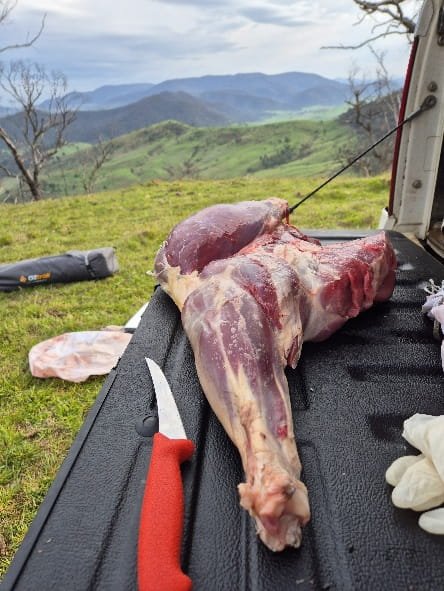
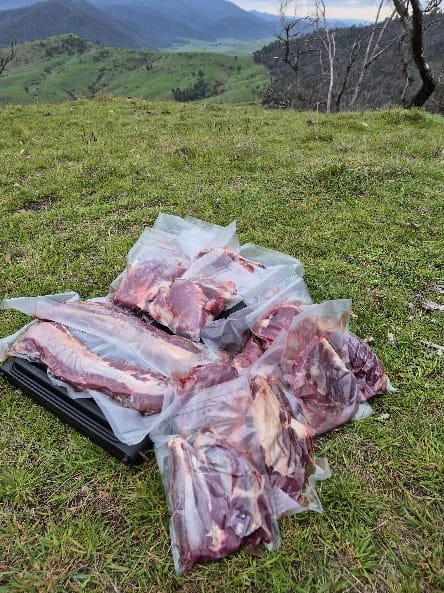
Beef vs venison at a glance
Why “gamey” isn’t a bad word
All that nutrient density, with so little fat, is what gives venison its rich, deep red meat. Hearing it described as “gamey” always rubs me the wrong way, because people who haven’t eaten much of it take that as a negative.
“To me, gamey just means healthy and nutritious tasting.”
In all honesty it’s no scotch fillet, but I eat this animal for the immense health and lifestyle benefits, not to treat myself into an early grave. Before I became accustomed to the venison taste; I would often describe wild venison as having an earthy/iron-y taste. But coming on 9 months of no other meat source, I can no longer make that distinction.
I loved that taste and keeping myself to game meat only for this entire year, I find that i’m enjoying venison more than ever. Over time, that rich flavour became a signal to my brain saying, “Yeah mate, this is what we need.” Compare that to the beef signal: “Damn, that tastes good. Surely we’ll need to keep that fat around for a year or two. Let’s put it on the arse for now.”
Hunt your own, eat better
Hunting your own venison can save you money as meat prices keep rising, and it can add years to your life. It gives you the freedom to bring your own healthy fat sources into your meals, along with a broad spectrum of the quality nutrients your body craves. This is all without mentioning the surreal experience of pursuing our primal prey in our beautiful Australian landscape.
When it comes to health, nothing is truer than this: you are what you eat.
Hunting your own venison isn’t just about filling the freezer.
If you live in NSW or Victoria and want to learn how to hunt Australian public land, feel free to get in touch with me via the contact form or just pick up the phone and give me a bell.
— Luke Risk